Cross-border e-commerce is increasing faster than ever, which means that individuals all around the world may buy things from firms of various sizes. But this advancement comes with one of the hardest operational problems: dealing with returns and reversing logistics.
It’s nice to sell to people in other countries, but if you don’t handle returns well, they may rapidly become expensive, difficult, and disruptive. In global e-commerce, reverse logistics that works well is no longer an option; it’s a must for keeping consumers happy, expenses down, following the rules, and protecting your brand’s reputation.
What Does “Reverse Logistics” Mean?
Reverse logistics is the process of sending things back to the vendor, manufacturer, or distribution center after they have been delivered. This means sending things back.
Exchanges and fixes
Fixing things and selling them again
Recycling or throwing away safely
Reverse logistics isn’t as trustworthy as forward logistics because you don’t know how many items there are, the condition of the products can change, and there’s more paperwork.
Customs laws, international taxes, coordinating carriers, and longer shipment delays make reverse logistics considerably harder when you do commerce online across borders.
Why It’s So Hard to Send Things Back Across Borders
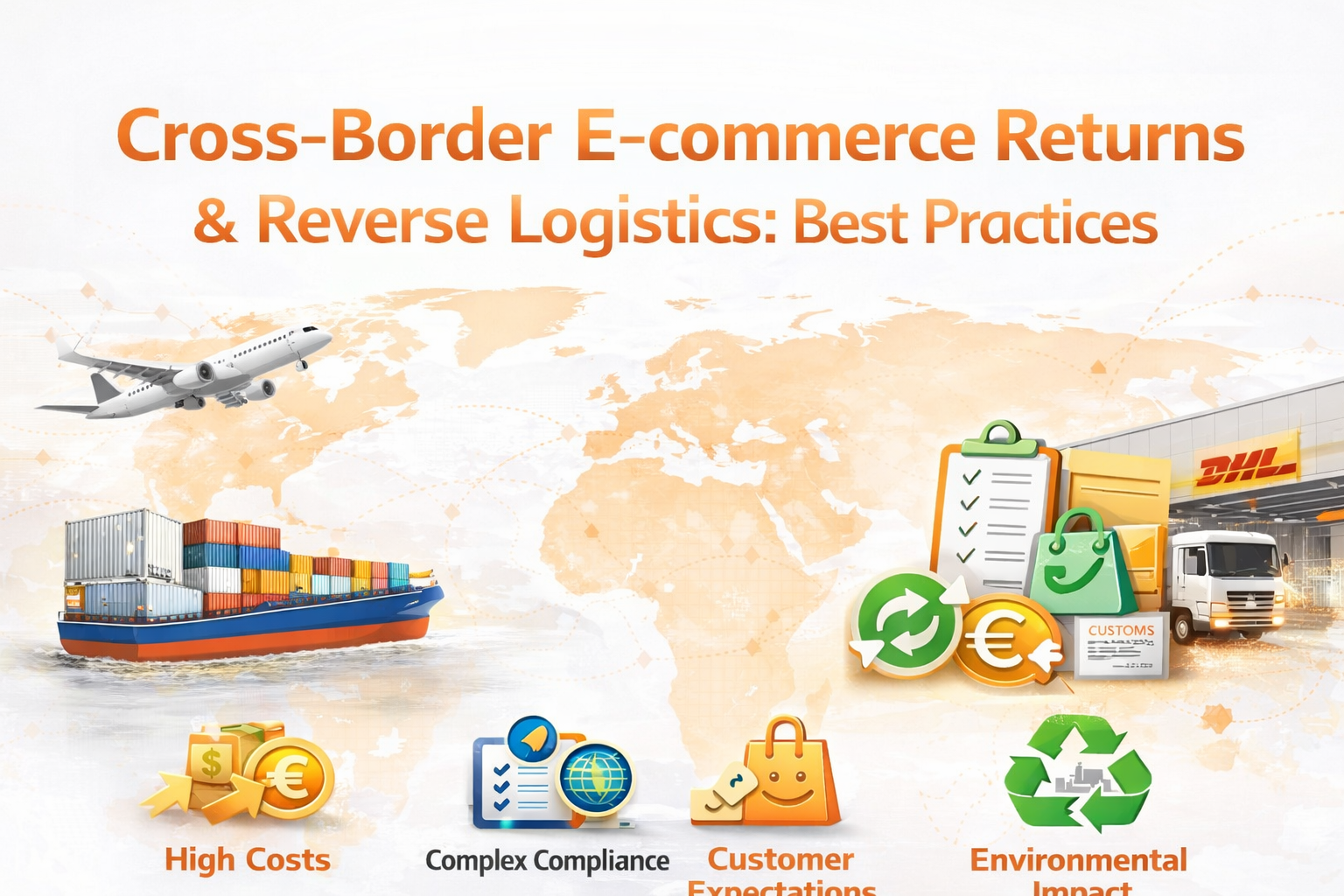
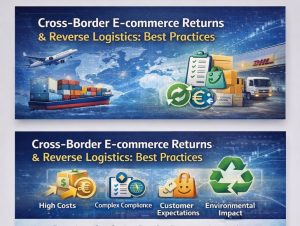
When you have to deal with returns across borders, you have to deal with a multitude of operational and financial issues:
Returns cost a lot of money
Shipping costs, customs tariffs, reverse taxes, and handling fees can eat up a lot of income.It’s hard to obey regulations and norms
There are rules about bringing things back to each country, such as taxes, documentation, and rules about sending them back out.Customers want more
People all throughout the world want returns to be straightforward, quick, and clear, just like they are when they shop at home.Problems in keeping track of stock
You have to check, sort, replenish, fix, or throw away returned things, and this frequently happens in more than one place.How it affects the environment
Inefficient return processes use more fuel, make more packaging trash, and emit more carbon, which is bad for the environment.
The Best Ways to Deal with Reverse Logistics Across Borders
1. Make it simple to find and understand your policy for returns
Make sure that each country has its own set of rules for returns on your website.
Clearly say when returns are due, who can do them, and what paperwork is needed.
Let us know who is in charge of paying taxes, customs, and shipping.
When you have clear rules and don’t argue as much, customers trust you more.
2. Use Return Hubs in Your Area
Work with warehouses or regional fulfillment facilities that are nearby.
Put all returns in the same place in the country where they are going.
You can save time and money on shipping when you send goods overseas.
It also makes inspections and reimbursements go a lot faster.
3. Set up a system that automatically lets people return products
Use digital tools to make return labels and keep track of shipments.
Set up automatic updates on the status of things, inspections, and requests for money back.
Lower the number of mistakes made by hand and the costs of running a firm.
Automation speeds things up, makes them more precise, and makes them easier to expand.
4. Use the finest ways to package and ship things
Use packing that can be shipped back and used again.
If you can, include labels that are already printed for returns.
Work with logistics partners who know how to handle flows that travel across borders.
Smart packing cuts down on the costs of damage and handling.
5. Check things over, fix them, and use them again
Put objects that have been returned into groups so they can be sold, fixed, recycled, or thrown away.
Use returned stock to its fullest potential
Lower waste and raise sustainability numbers
6. Use technology and data to their fullest potential
Look at why consumers return the product to make it better.
Find out how returns work in each country.
Guess how many returns will come in when business is at its busiest.
Data-based insights can help the company prevent losing money and having to return items in the future.
How DDU-Express Makes It Easier to Send Things Back Across Borders
Online stores that ship to other countries can use DDU-Express’s full reverse logistics solutions. We can do these things:
Return hubs for shipments traveling in and out of the nation
Handling customs clearance and compliance
Shipping back by air, sea, and road
Seeing and tracking the package in real time
Finding the best way to reverse route that cuts down on returns costs
DDU-Express makes it easy for exporters and online businesses to offer free returns all around the world without breaking the bank or the law.
Advice for Exporters in E-Commerce
Tell them your return policy when they check out.
Make sure your product descriptions and size guides are correct to cut down on returns.
Check the return data often to make sure things proceed smoothly.
Pick logistics partners who have shipped things back and forth across borders a lot in the past.
To have less of an effect on the environment, return things in ways that are good for the environment.
In Short
Returns and reverse logistics for cross-border e-commerce are no longer just back-end tasks; they are now a strategic advantage. Companies that put money into clear rules, local return infrastructure, automation, and relationships with logistics experts may be able to lower costs, keep customers coming back, and grow their business around the world with certainty.
DDU-Express can assist exporters and online stores make returns work for them. This will help things flow more smoothly around the world and help you do well in the long run.