By 2026, all exporters should know the most common ways to send goods to other countries. The speed of international shipping is changing faster than ever, just like the speed of global trade. Exporters need to stay on top of things to stay competitive, down their expenses, and make sure their goods get to international markets on time.
There are big changes happening right now that will affect the future of cross-border logistics.
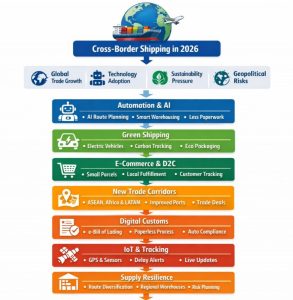
1. More Use of AI and Automation in Logistics
Automation is changing how warehouses work, how shipments are tracked, and how routes are planned. AI systems can:
- Figure out the quickest and cheapest ways to ship things
- Find out how much stock and demand you need
- Help people who fill out customs declaration forms make fewer mistakes
- Make sure that shipments are easy to see as they happen
Exporters who use AI-powered logistics will be able to get their goods to customers faster and more effectively.
2. Shipping Options That Are Good for the Environment and Last a Long Time
Exporters are shifting toward logistics that are better for the environment because of rules and concerns about the environment:
- Cars that run on electricity alone or a mix of electricity and gasoline
- Watching how much carbon ships leave behind
- Packing choices that are healthy for the planet
- Using logistics companies that are healthy for the environment
It’s good for the planet to be nice for the environment, and it also brings in customers who care about the planet.
3. The Rise of E-commerce and Direct-to-Consumer (D2C) Shipping
As e-commerce grows over the world, shipping across borders is continually getting bigger. These are some trends:
- Sending small shipments for businesses that sell directly to consumers (D2C)
- Regional fulfillment centers to speed up shipping
- Tracking in real time to be honest with customers
Exporters that make it easier for people to buy their goods online might fast get more customers.
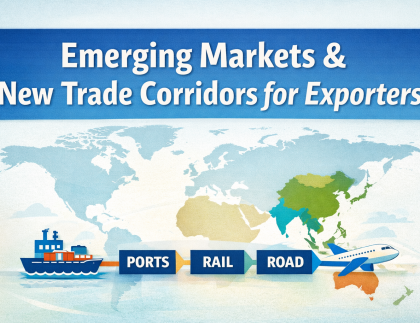
4. More Trade Routes and Markets Are Opening Up
New trade routes and markets are giving us new chances:
- Africa, Central Asia, Southeast Asia, and Latin America
- Better ports, roadways, and trains
- Regional free trade agreements make it easier for businesses to work together
If exporters learn about new markets, they can build their businesses without having to use the same routes.
5. Use Digital Records and Standards Instead of Paper
More and more shipping companies are using electronic documentation to move products across borders:
- E-bills of lading
- Checks that happen automatically when you cross customs online to make sure you are following the rules
Less documentation speeds up shipping, lowers the chance of mistakes, and makes things clearer.
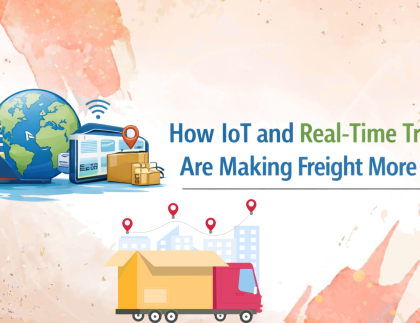
6. Real-Time Tracking and Integration of IoT
More and more people are using IoT devices and GPS tracking:
- Watch the cargoes as they come in
- Find faults or delays as soon as you can
- To make things better for your clients, tell them exactly when their orders will arrive
Exporters might be able to make their logistics systems more reliable and accountable by linking them together.
7. Strengthening the Supply Chain and Keeping an Eye Out for Difficulties
The supply chain needs to be solid because of political problems, natural disasters, and traffic jams at ports:
- Changing how goods are sent and moving them around in warehouses
- Working with logistics partners who know how to decrease risk
Exporters can maintain their company robust by being proactive.
How DDU-Express Helps Exporters Get Ahead
DDU-Express aids exporters by giving them:
- AI helps you find the best ways to get there
- Ways to go around that employ more than one type of transportation, such as air, sea, and road
- Shipping options that are beneficial for the planet
- Real-time alerts and tracking
- It’s not easy to learn about new marketplaces and how to trade in them
DDU-Express makes it easy and safe for exporters to go through the challenging world of logistics in 2026.
Conclusion
Shipping across borders will have to be automated, good for the environment, digital, and open to new markets by 2026. Exporters who pay attention to these trends and collaborate with good logistics providers like DDU-Express will have an edge over their competitors, decrease their risks, and grow their businesses around the world.