Introduction
In the past, overseas sales meant a big commitment of inventory, warehousing and logistical infrastructure. Today, with new fulfilment technology, organisations don’t have to own or run a warehouse to operate globally. Third-party logistics (3PL) services can enable organisations outsource storage, inventory management, packing and shipping and focus on sales, marketing and customer experience. This method streamlines operations, decreases initial investment costs and enables for faster entry into international markets. Learn about warehouse-free e-commerce to help you develop a more flexible and effective worldwide business if you are launching an online business or attempting to grow an existing one.What is e-commerce without a warehouse?
Warehouse-free e-commerce is a new concept in the e-commerce sector, summed up in three words: no inventory, no warehouse, no distribution. This is sometimes called O2O (online to offline), D2O (direct to offline) or O2O2O. This approach has been developed over many years and refined through the work of many entrepreneurs. The basic idea is to run a shop on a third-party platform or on your website without actually having any physical inventory or warehouse space. When a customer puts an order, the goods are not dispatched from your warehouse but are sent straight from the manufacturer or supplier to the customer’s address. With this business model, merchants do not own and operate real storage space. Instead there is no inventory for the firm. The inventory, order processing and shipment is done by fulfilling partners. When a customer puts an order, the fulfilment provider picks and bundles the product and distributes it straight to the client. Some examples of warehouse-free models are:3PL – Third Party Logistics
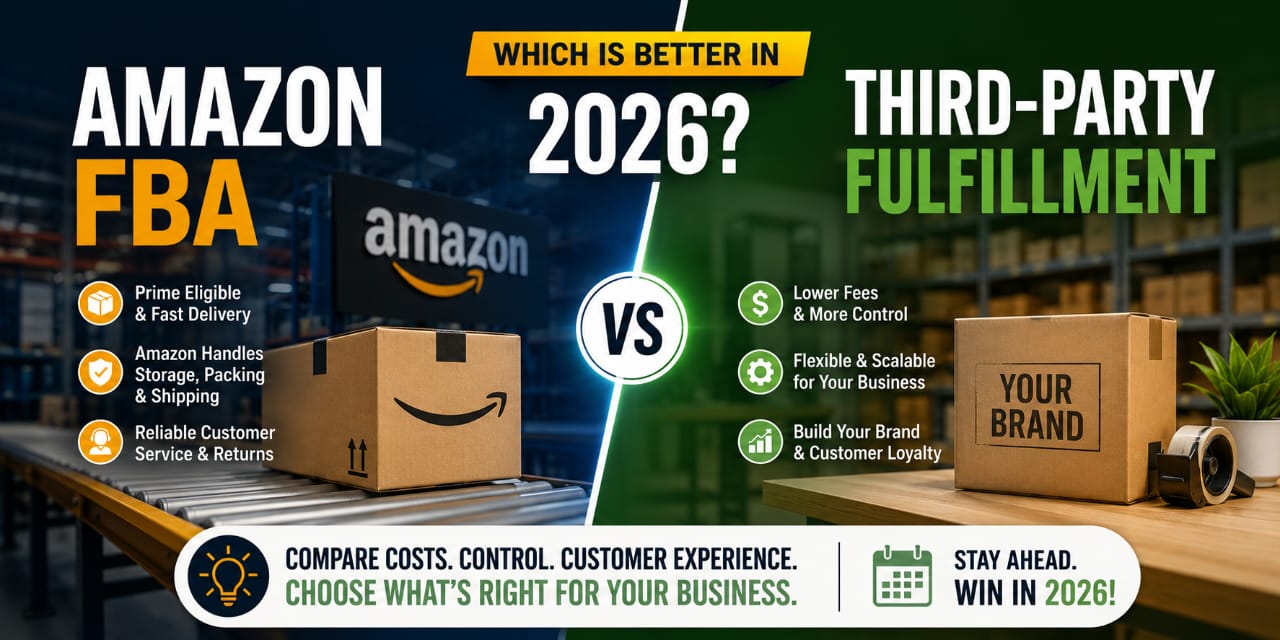
Logistics Company – Keeps inventory and ships orders for other companies.FBA (Fulfilment By Amazon)
Amazon transactions are fulfilled through their fulfilment centres which contain the product and deal with delivery and customer service.Drop Shipping
The products ship directly from the manufacturer or supplier to the clients, so the seller doesn’t have to hold stock.Delivery when you want it
Products are custom created or changed to order with low inventory.Why Entrepreneurs Are Avoiding The Warehousing Model
E-commerce is a very competitive field. The victors will be the nimble, scalable and cost effective enterprises.Warehouseless Business: Advantages
Lower initial expenses
Warehousing costs money. Or a business could outsource fulfilment to lower such costs and focus its resources on product development and marketing.Operations simplified
Time spent handling commodities, manpower, storage systems and transportation operations. Fulfilment partners take over obligations and the everyday task is simplified.Time To Market
“You can get products to market, to the shelf, a lot quicker without having to build the warehousing infrastructure.”Ease of Scalability
Fulfilment businesses are often able to handle the added load with little disruption to your operations as your order volume grows.World-wide reach
With access to international shipping infrastructure, the right fulfilment facilities at the right locations enable firms to service consumers in many countries.How to Start an International E-Commerce Company Without a Warehouse
1. Find a Profitable Product Niche
The first step to prosperity is to choose products with high demand and increasing prospects. Find products that:- Resolve issues for customer
- Ever-burning Demand
- Leave large margins
- Worldwide shipping available
- Check out rivalries
2. Build Your Online Store
Your website is the heart of your business. Popular platforms are:- Shopify Inc.
- WooCommerce
- BigCommerce
- Wix for e-commerce
- Product page pro
- Pics of quality
- Payment methods are secure
- Responsive design for mobile devices
- Consistent shipping information
3. Partner with a reputable fulfilment company
For a firm that doesn’t have a warehouse, finding the correct fulfilment partner is one of the most critical decisions. Providers that offer:- Warehouse stock
- Processing Orders
- Global Shipping
- Inventory view in real-time
- Handling Returns
- Scalability for future expansion
4. Establish international shipping
International shipping is more than just getting your packages overseas. The question firms have to ask is:Shipping Charges
The secret to retaining your margins is knowing your shipping cost.Quick delivery
Offer a variety of delivery alternatives to satisfy a variety of consumer expectations.Customs & Compliance
Know import regulations, documentation and duties for target markets.Observation skills
People want to watch their shipments in real time. Working with a skilled logistics company helps smooth out these processes and minimise shipment difficulties.5. Simplify Inventory Management
You don’t need a warehouse to know what’s in your inventory. Effective inventory management can benefit organisations through:- Never run out of stock
- Reduce Overstocking
- Enhance forecast accuracy
- KEEPER OF THE HAPPPIES
6. Believe the world customer
Customers everywhere want to know that their orders are delivered securely and on schedule. Trust building:- Transparent shipping policies
- Live tracking of orders
- Quick Customer Support
- Payment Systems Safe
- Return policies that are easy to grasp
Common problems and solutions
Shipping Cost Control
International shipping can be very expensive if you don’t optimise it correctly. Solution: Collaborate with fulfilment suppliers with a pre-existing carrier network and fixed delivery charges.Customs Formalities
Each country has its own set of laws and regulations regarding documents. Solution: Work with logistics professionals who know international trade inside and out.Inventory Accuracy Control
Without visibility into inventory it’s simple to oversell and generate consumer unhappiness. Solution: Create systems that supply real-time inventory updates and forecasting tools.Processing returns
Returns across borders are complex and costly. Solution: Create a robust return policy and partner with businesses that provide reverse logistics.Grow Your Business With Fulfilment
Growing a firm can put a considerable pressure on logistics. Company support: Professional fulfilment services can assist businesses:- Expand into new markets
- Enhance On-time Delivery
- Reduced operating overheads
- Improve client satisfaction
- Focus on revenue-generating activities
How DDU Express supports international e-commerce enterprises
DDU Express is an integrated logistics & fulfilment solutions provider that help businesses simplify global e-commerce.Services offered:
- Stock and inventory control
- Order Shipped
- Shipping worldwide
- Cross-border logistics assistance
- Assistance with customs paperwork
- Scaled enterprise logistics solutions