Introduction
International trade gives you the potential of approaching world-wide marketplaces but customs delays can easily destroy the best planned shipment. Mistakes in the Customs Clearance procedure, whether you’re importing raw materials, exporting finished items or handling Project Cargo, can result in additional costs, missed deadlines and disgruntled customers. Much of the delay is not the fault of the customs officials but of avoidable errors in documentation, product classification or regulatory compliance. Understanding these common Customs Clearance Mistakes can aid businesses in ensuring their items move smoothly across borders. In this piece, we’ll discuss the 7 most typical customs clearance challenges and how an experienced logistics provider like DDU Express can help you avoid them.
Why is Customs clearance Required
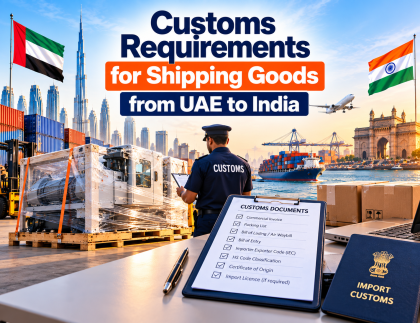
Before any item may be legally imported or exported from a country, it must go through Customs clearance. Customs authorities said:- Shipping papers
- Product Type
- Worth of goods
- Country of Origin
- Laws for import and export
- Customs and taxes
- Safety & Compliance Specifications
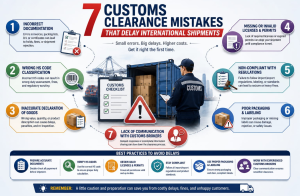
1. Documentation is not up to date or is inaccurate
Bad paperwork is one of the main reasons for customs delays.Common examples of documentation errors are:
- Commercial invoice is missing
- Wrong Packing List
- Certificates of Origin Incomplete
- Incorrect consignee information
- No authorisations
- Un-signed declarations
How to stop it:
Always make sure that all the documentation you need to submit are comprehensive, correct and consistent.2. Wrong Classification of HS Code
Every product traded abroad has a Harmonised System (HS) code. Using the wrong HS code could result in:- Duty calcs incorrect
- Custom inspections
- Production delays
- More punishments
How to Put a Stop to It:
Get advice from experienced customs professionals for proper classification of all your items.3. Cargo valuation wrong
Another prevalent issue is the misdeclaration of the value of the goods. Problems occur when companies:- Don’t under estimate the cargo
- Overstate product value
- Where applicable, exclude freight or insurance charges
- Submit non-matching invoices
How to avoid it?
Bill and record the exact commercial value of each consignment accurately.4. Ignore Import Rules of the Country
Customs rules fluctuate from country to country. Specific goods require:- Import permits
- Health certificates
- Product testing
- Certifications for Safety
- Environmental Permitting
- State approval
How to stop it:
Do your import rules homework before you ship or partner with a logistics service who knows the ins and outs of international compliance standards.5. Deferral of Duty and Tax Payments
Customs authorities usually release cargo only when all applicable duties and taxes have been paid. Late payments often lead to:- Costs for storage of cargo
- Port demurrage
- Shipping delays
- Higher logistics costs
How to stop it:
Calculate your obligations in advance and pay on time to avoid any unwanted delays.6. Poor communication between supply chain partners
There are a number of stakeholders involved in international exports:- Exports
- Importers of Forwarders
- Customs broking
- Shipping companies
- Port operators
- Transport services
- MISSING PAPERS
- Wrong shipping info
- Clashing schedules Tight deadlines
How to avoid it:
Keep everyone in touch at all times and make sure that everyone involved has reliable information about their shipments.7. Collaboration with a new logistics provider
Not all logistics suppliers are experts in international customs. An inexperienced provider may struggle with:- Documentation
- Rules custom
- Control of permits
- Product classification
- Needs of Project Cargo
- Cross-border compliance
How to avoid it:
Choose a logistics partner who has a proven track record in customs clearing, international freight transportation and regulatory compliance.The Price of Customs Clearance Errors
A tiny mistake may cost you a lot of money. Possible implications may include:- Late deliveries
- Downtime of production
- Penalties of agreement
- Storage fees
- Demurrage charges
- Customer complaints
- Higher transport expenses
- Supply chain disruptions
Customs Clearance Best Practices
There are some simple methods that might enable firms to improve their customs efficiency.Prepare your documents in advance
Collect and confirm all required documents before shipment.Use accurate product data
Verify description, quantities and values of shipment are correct.HS Code Validation
Correct classification minimises the risk of difficulties at customs.Stay Up To Date With Regulations
Import and export laws may change often.Work With Customs Professionals
Working with expert customs consultants can help businesses stay compliant and minimise delays.How Technology Accelerates Customs Clearance
Today, logistics firms are embracing new digital solutions to make customs processes more efficient. This covers:- Electronic Customs Declaration
- e-file management
- Automated compliance assessment
- Live tracking of your cargo
- Duty calculation software
- Tracking customs status
Why DDU Express is the Choice of Business
We help companies avoid costly Customs Clearance at DDU Express. Mistakes of professional customs management and integrated logistical support.What we offer:
- Import customs clearance
- Export Customs Clearance
- Customs paperwork
- HS Codes Classification
- Guide to duties and taxes
- Regulatory compliance
- Delivery
- Custom clearance of Project Cargo
- Breakbulk Support
- End-to-end logistics solutions
Summary Conclusion
Customs clearance is easy. Most shipping delays are caused by preventable errors including missing the right documents, using the wrong HS codes, mispricing the product or failing to adhere to local regulations. Avoid delays, reduce expenses, improve compliance and keep international supply chains flowing smoothly by recognising these seven common Customs Clearance Mistakes and working with an experienced logistics partner like DDU Express. Good preparation now can save a lot of time, money and frustration later.
Weiworld is an experienced logistics and shipping professional with more than 20 years of industry experience, with extensive knowledge of international shipping, freight forwarding, cargo movement, and logistics operations.
Over the course of his career, he has developed deep practical expertise in Middle East logistics and operations, including shipping processes, international cargo transportation, customs-related procedures, and supply chain coordination.
At DDU Express, Weiworld shares practical insights and industry knowledge to help businesses better understand international shipping, freight forwarding, DDP services, cargo transportation, and logistics solutions across the Middle East and global markets.
His extensive industry experience provides valuable perspective for businesses looking to simplify international shipping and make informed decisions when moving cargo between countries.