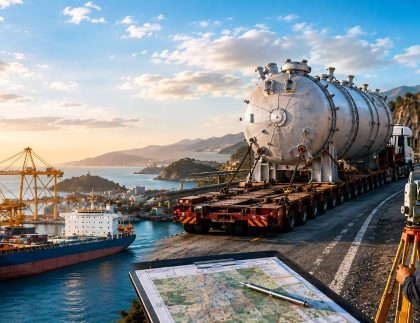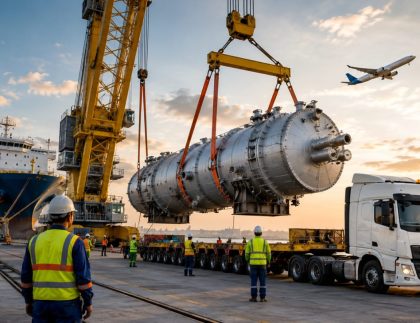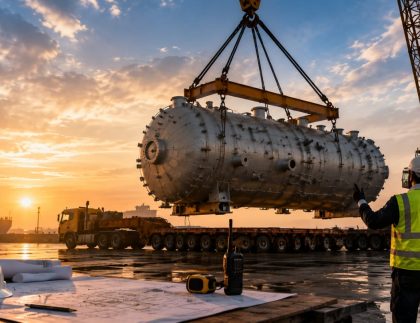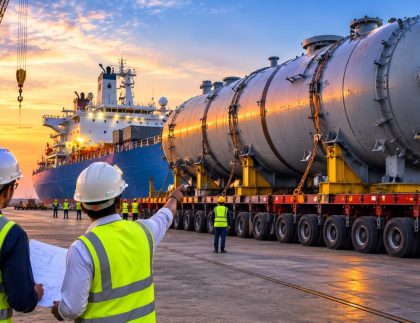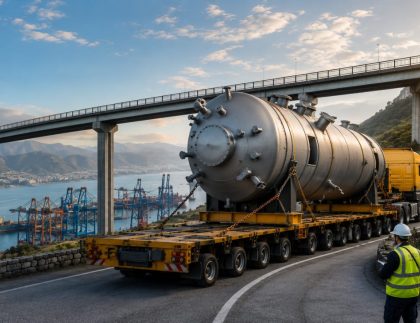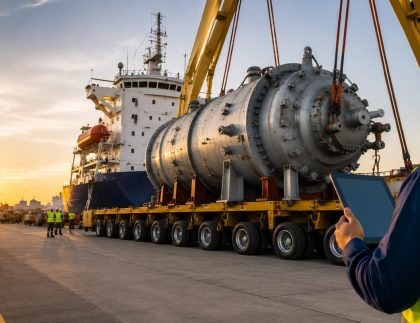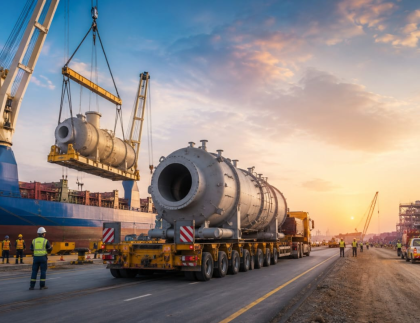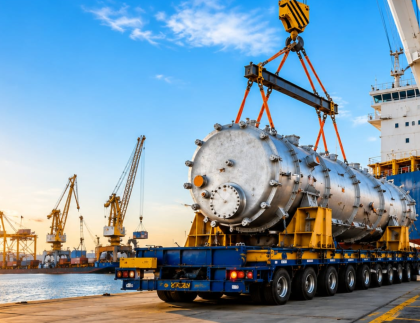
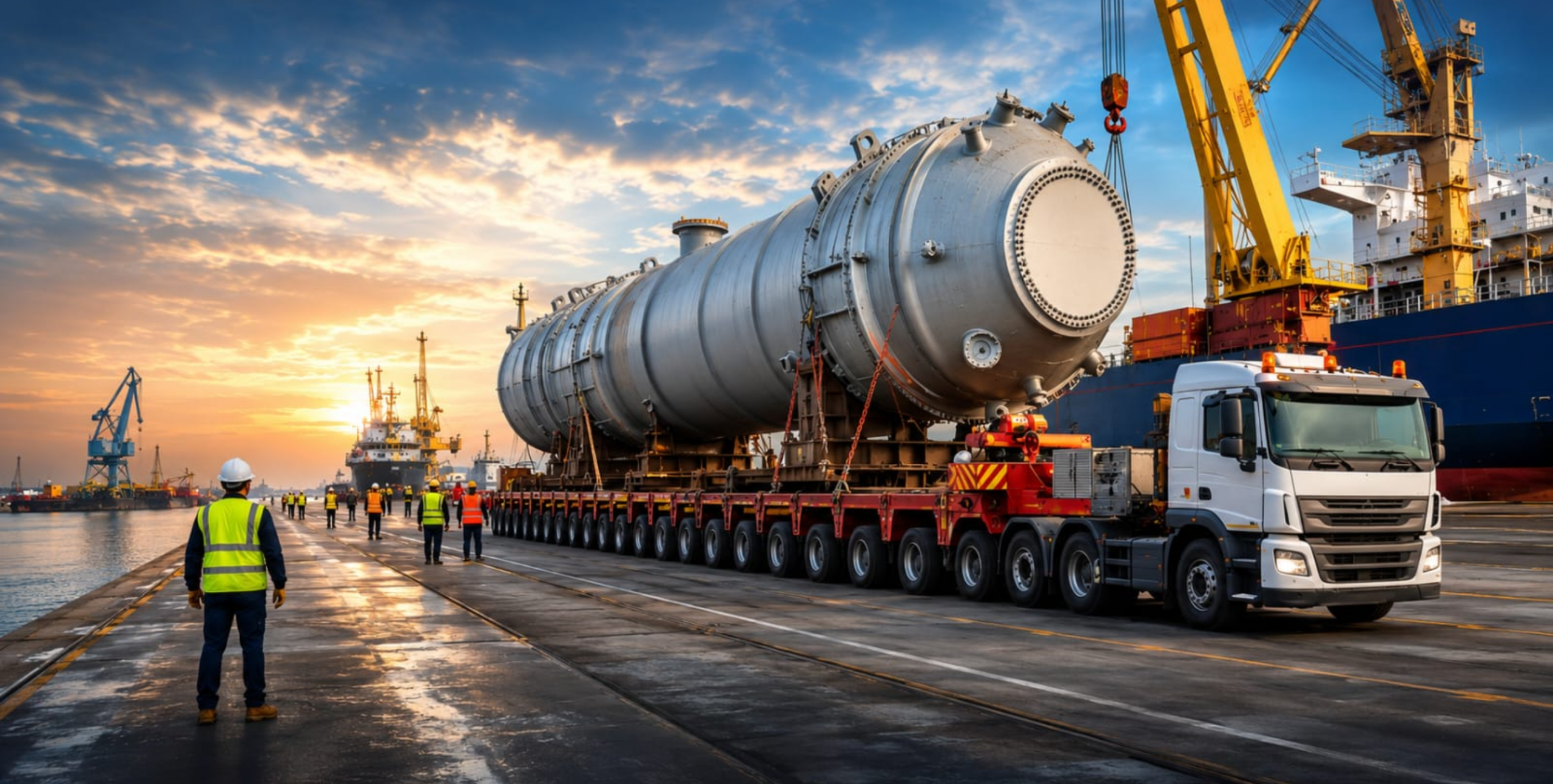
- Industrial equipment.
- Construction machinery
- Parts for wind turbines
- Generators
- Power transformers
- Boilers
- Pressure vessel
- Offshore modules.
- mining tools
- Large steel constructions
Why Heavy Lift Logistics Requires Specialised Expertise
Shipping heavy cargo is far more complicated than regular freight shipping.Key challenges are:
Weight exceptional
Heavy lift cargo can be hundreds of tonnes, needing specifically specialised lifting and transport equipment.Big Sizes
The cargo typically exceeds the normal limitations for road, rail or containers.Complex Transportation Routes
Bridges, tunnels, road widths, overhead utilities, and port infrastructure must all be considered before transit begins.Risks To Safety
Poor handling can damage expensive equipment, delay projects and create major safety issues. The dangers are reduced by professional heavy lift logistics through careful planning and execution.Industries Dependent on Heavy Lift Logistics
Heavy lift transport is backing some of the world’s biggest industries.Construction
Cranes, concrete plants, bridge sections and huge earthmoving machines in motion.Oil & Gas
Transportation of offshore platforms, drilling rigs, storage tanks, refinery equipment and compressors.Renewable Power
Moving wind turbine towers, blades, nacelles, transformers and hydroelectric components.Mining
Crusher, Excavator, Conveyor Systems & Minerals Processing Equipment.Production
Moving whole manufacturing lines and heavy industrial equipment.Infrastructure
Supporting airports, ports, trains, power stations and major public development projects.Heavy Lift Logistics Procedure
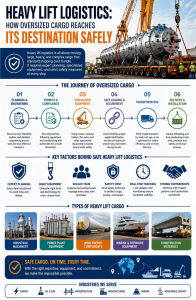
Successful large lift operations entail numerous carefully coordinated stages.1. Evaluation of Engineering
Logistics professionals assess:- Dimensions of cargo
- Distribution of weight
- Lifting points
- Solid construction
- Center of gravity
2. Road Survey
Before the movement each transit route is checked. The survey encompasses:- Bridge load ratings
- Width of road
- Tunnel clearance
- Traffic Limitations
- Utility line height
- Port accessibilty
3. Transportation Planing
A customised logistics plan is designed that includes:- transportation equipment
- Heavy haulage trailer
- The cranes
- Vessel selection
- Shipping timetable
- Risk management
- Contingency planning
4. Heavy Lifting Works
Oversized cargo is loaded and unloaded using specialised lifting equipment. Typical equipment includes:- Mobile crane.
- Crawler cranes (2)
- Floating cranes
- Hydraulic gantry crane
- Strand jack systems
- SPMTs (Self-Propelled Modular Transporters)
5. Multimodal Transport
Heavy goods generally travels by more than one mode of transportation. These may be:- Sea shipping
- Break bulk vessels
- Roll-on/Roll-off ships (RORO)
- Truckin’ Inland
- Rail transportation
- Barges
6. Site Delivery of Final Project
Stage 3 (Final): May include:- Escort Vehicles
- Temporary road alterations
- Bridge strengthening
- Night transport
- Special unloading equipment
Specialised Equipment for Heavy Lift Logistics
Heavy lifts rely on sophisticated transportation equipment. For example:Trailers, hydraulic
Designed for the secure spread of exceptionally heavy loads.Self Propelled Modular Transporters (SPMTs)
Great for short distance transportation of very heavy industrial equipment.Cranes Heavy Lift
Used to lift cargo too large for ports, construction sites and industrial facilities.Flat Rack Container 01
Good for some kinds of big cargo that needs to be shipped by sea.Breakbulk Ships
Ships built to carry cargo that is too large or awkward for ordinary containers.Typical problems with heavy lift logistics
Heavy lift transportation faces many operational issues that need to be managed carefully.Route Limitations
Some roads and bridges may have height and weight restrictions.Licensing Requirements
Special government clearances are needed for oversized loads.Weather | Condition
High winds and stormy seas may delay lifting operations.Port Constraints
Not all ports have cranes that can handle very big cargo.Customs Clearance
Specialised documentation and regulatory clearances are often required for large industrial shipments. Experienced logistics companies can anticipate these challenges before transportation even begins.Advantages of Professional Heavy Lift Logistics
There are huge benefits in working with professional logistics providers.Unmatched safety
Professional preparation ensures the least chance of harm to goods and accidents during work.Lower Project Delays
Industrial projects stay on track through efficient cooperation.Reduce operating cost
If you plan well you can avoid spending money you didn’t expect to.Regulatory Compliance
They take care of permits, customs and local transportation restrictions.Complete Project Management
The shipment is coordinated in all stages by one logistics provider.Technology is Changing Heavy Lift Logistics
Contemporary logistics organisations apply innovative technologies to improve the efficiency of transportation. These are:- GPS Tracking for Cargo
- Route optimisation software
- Digital records
- 3D lifting plans
- Real-time shipping tracking
- Customs clearance electronically
- Risk assessment tools
Selecting the Right Heavy Lift Logistics Partner
Getting the right logistics provider is key to the success of the project. Find a company that offers:- Proven heavy lift experience
- Expertise in project cargo
- Specialised transportation equipment
- Breakbulk Shipping Options
- Customs clearance assistance
- Worldwide Freight Network
- proven engineering teams
- Logistics Management end-to-end
- High safety standards
- Transparent communication about the project
Why DDU Express for Business?
DDU Express provides Heavy Lift Logistics solutions with reliability for industries in need of customised transportation services. We are able to:- Heavy lift transport
- Project logistics
- Break bulk cargo handling
- Routes Survey
- Support engineering
- Heavy Equipment Shipping Services
- Customs clearance
- International goods forwarding
- Land transportation
- End-to-end logistics management.
Summary
Hauling big industrial equipment involves more than just powerful cranes and heavy-duty trailers. It takes meticulous planning, engineering competence, regulatory compliance, and seamless coordination across numerous modes of transport. Professional Heavy Lift Logistics guarantees the secure delivery of important cargo to its destination, avoiding delays and operational risks for the project. DDU Express offers reliable heavy lift solutions to meet the specific needs of your project, whether you are moving power plant equipment, mining equipment, construction machinery or renewable energy infrastructure.
Weiworld is an experienced logistics and shipping professional with more than 20 years of industry experience, with extensive knowledge of international shipping, freight forwarding, cargo movement, and logistics operations.
Over the course of his career, he has developed deep practical expertise in Middle East logistics and operations, including shipping processes, international cargo transportation, customs-related procedures, and supply chain coordination.
At DDU Express, Weiworld shares practical insights and industry knowledge to help businesses better understand international shipping, freight forwarding, DDP services, cargo transportation, and logistics solutions across the Middle East and global markets.
His extensive industry experience provides valuable perspective for businesses looking to simplify international shipping and make informed decisions when moving cargo between countries.