Introduction
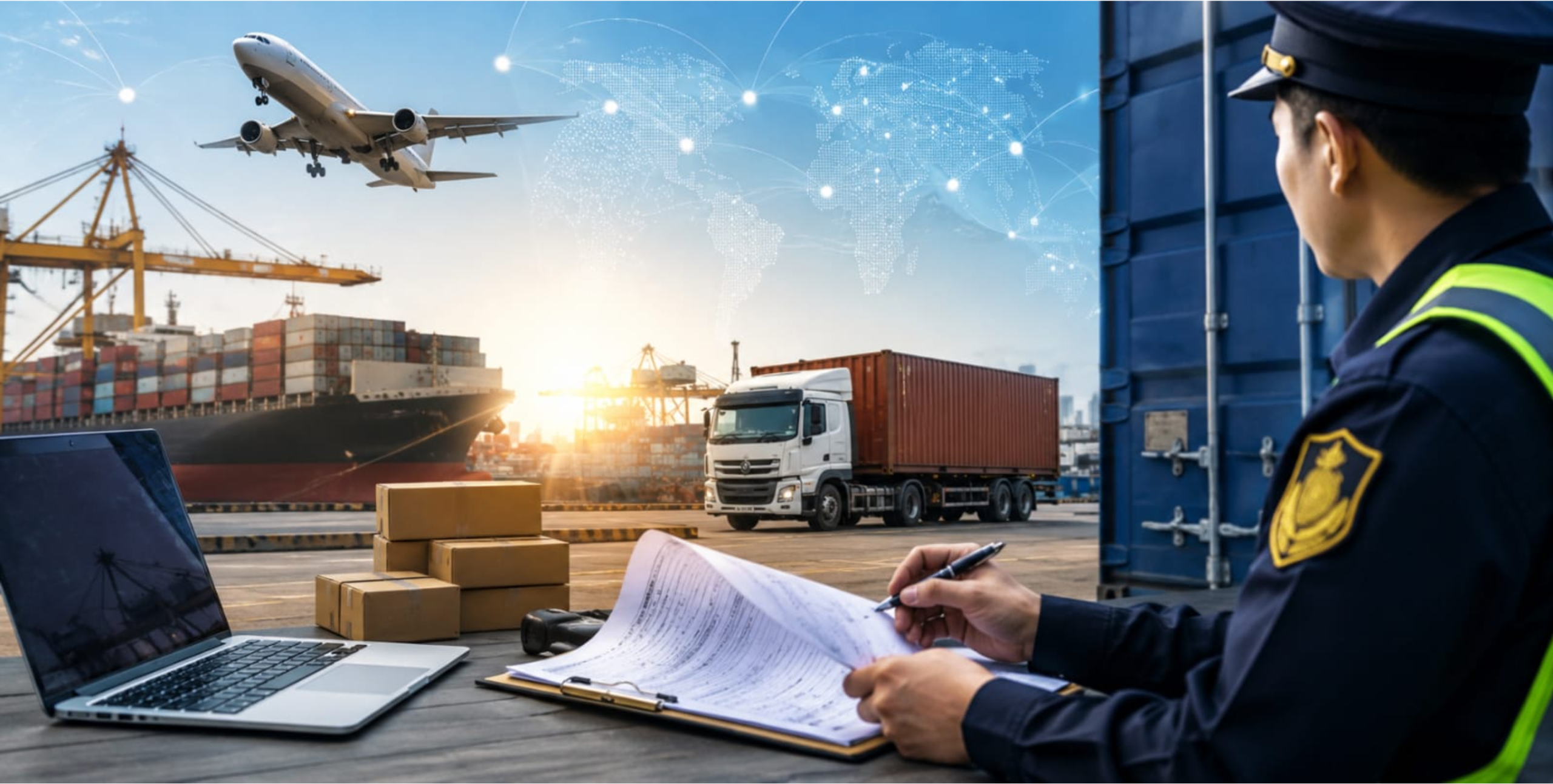
International shipping is so much more than just moving things from one country to another. All shipments are subject to customs restrictions, administrative procedures, fees, taxes and import/export legislation prior to arrival at their destination. Delays at customs can disrupt supply chains resulting in increased costs and effect on customer satisfaction. That is why Customs Clearance is one of the most important stages in global logistics. If you are importing raw materials, exporting finished products or shipping oversized project cargo, effective customs clearance ensures your cargo crosses international borders successfully. In this tutorial, we’ll take you through the basics of customs clearance, why it matters, the common pain points and how experienced logistics partners can help businesses avoid costly shipment delays.
What is Customs Clearance?
Customs Clearance is the process of getting clearance from government customs authorities to import or export products to or from other countries. Customs officials check goods coming into or going out of a country:- Shippig paper
- Cargo description
- Goods classification
- Value of Custom
- Restrictions on import/export
- Taxes and duties applicable
- Compliance with Local Laws
Why is Customs Clearance Important?
Fast customs clearance is essential for international trade. It helps businesses to:- Avoid shipment delays
- Don’t pay heavy penalties
- Be sure you are legal.
- Storage and demurrage expenses reduced
- Improve supply chain efficiency
- timely delivery of merchandise
- Make your consumers smile.
Customs Clearance Procedure
This knowledge of the process allows companies to prepare their shipments properly.1. Document Preparation
Proper documentation is the backbone of successful customs clearance. Typical Documents include:- Commercial Invoice
- What’s in your bag?
- Bill of Lading/Air Waybill
- Source Certificate
- Import/Export License (if required)
- Purchase Order for Insurance Certificate
- Certification of Products
2. Customs Declaration
The cargo is submitted to the customs officials electronically with all the relevant documentation. Checked by the authorities:- Details Product
- HS Classification
- Value of the cargo
- Country of production
- Import controls
3. Tax and Duty Calculation
Applicable customs to determine:- Import duties
- VAT or GST
- Customs Duties
- Other regulatory fees
4. Customs inspection
Some shipments will be selected for inspection. Customs may check:- The volume of the cargo
- Product description Packing
- Conformity of safety
- Restricted goods
5. Delivery of cargo
Once the shipment has been cleared through customs and all duties paid, it is forwarded for transit to its final destination.Frequent Customs Clearance Problems
International exports have many avoidable problems.Incorrect Documentation
Long waits due to missing or wrong documentation.Misclassification of HS Code
Misclassifying your tariff can result in additional charges or customs penalties.Understatement of Cargo Value
Legal action or inspections can result from misvaluation.Prohibited items
Some things require special permission or permission from the government.Amendments to Regulation
Import and export regulations are always evolving and becoming more challenging to comply with. These risks are mitigated by working with customs professionals.Customs Clearance Documents
Depending on the shipping and the destination country, a firm might need to:- Commercial invoice
- Check List
- RECEIPT FOR CARRIAGE
- Airway bill Certificate of origin Import license certificate
- Certificate of Insurance for Export License
- Product Certification
- Customs Declaration Form No.1
How Do Customs Brokers Assist Businesses
Professional customs broker makes clearing procedure easier:- Documentation preparation
- Correct classification of products
- Duties and Taxes Calculation
- Customs Declaration Processing
- Inspections coordination
- Regulatory compliance
- Quick answer to customs problems
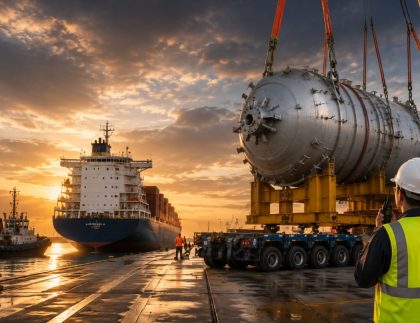
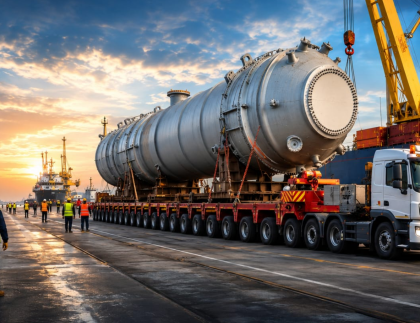
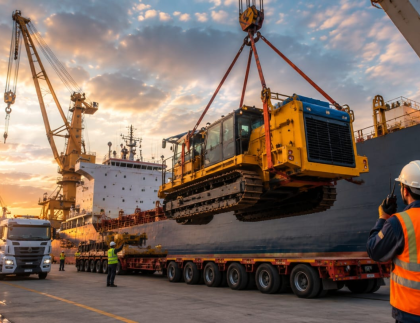
Customs Clearance of Project Cargo
In the case of huge industrial shipments, much more caution is needed in customs clearance. Usually project cargo consists of:- Powerful machines
- Machinery manufacturing
- Oil & Gas equipment
- Renewable energy components
- Equipment (plant)
- Special permits
- Temporary Import Import Documents
- Exemptions from Duty
- Professional Certifications
- Government authorisations
How to Breeze Through Customs
Some best practices may help businesses steer clear of delays.Documents for pre-preparation.
Check documents twice before sending.Select Correct HS Codes
Correct classification of items helps to avoid customs difficulties.Report accurate cargo values
Cargo is always worth something.Stay Current on Regulations
Stay abreast on the import and export requirements of destination countries.Working with Experienced Logistics Firms
“Experts can change customs procedures and ensure compliance.”Benefits of Professional Customs Clearance Service
There are many benefits to using an experienced logistics partner.Speedier Order Processing
Good paperwork helps you get clearances faster.Reduce Shipping Delays
Customs difficulties are reduced by professional management.Reduced Costs
No unnecessary penalties, storage charges & demurrage expenses.Improved Compatibility
All shipments are verified by experts to meet regulatory requirements.Enhanced Supply Chain Performance
Faster customs processing means inventory keeps moving.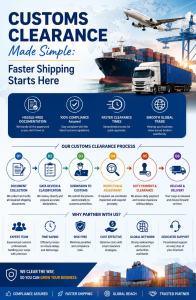
Why do businesses rely on DDU Express?
DDU Express offers end to end Customs Clearance solutions for companies involved in international business.What we offer:
- Customs clearance for imports
- export customs clearance
- Help with documentation
- Middlemen
- Duty and tax details
- Code Classification by HS
- Regulatory adherence
- Project Cargo Customs Handling
- Freight forwarding coordination
- End-to-end logistics services
Abstract
One of the most important procedures in overseas shipment is customs clearance. Good paperwork, regulatory compliance and smooth communication is the difference between on-time delivery and costly delays. Working with a logistics company with extensive experience like DDU Express makes customs procedures easier and reduces operational risks so that global supply chains run smoothly. Whether you are importing commercial items or exporting products, or dealing with complex project cargo, expert customs clearing services can make sure your shipments pass borders with confidence.
Weiworld is an experienced logistics and shipping professional with more than 20 years of industry experience, with extensive knowledge of international shipping, freight forwarding, cargo movement, and logistics operations.
Over the course of his career, he has developed deep practical expertise in Middle East logistics and operations, including shipping processes, international cargo transportation, customs-related procedures, and supply chain coordination.
At DDU Express, Weiworld shares practical insights and industry knowledge to help businesses better understand international shipping, freight forwarding, DDP services, cargo transportation, and logistics solutions across the Middle East and global markets.
His extensive industry experience provides valuable perspective for businesses looking to simplify international shipping and make informed decisions when moving cargo between countries.