
Introduction
Large scale industrial undertakings need the immediate delivery of large machinery, huge equipment and essential materials. Project Cargo transportation delays can result in increased expenses, missed deadlines and operational hiccups whether you are building a power plant, expanding an industrial site or constructing major infrastructure. That’s what Project Cargo Management is about. It’s not only about organising transportation, it’s the planning, the coordination, the risk management and the execution that gets every piece to the construction site safe and on schedule. This tutorial will explore what Project Cargo Management is, why it is vital and how businesses can save time, money and unnecessary anxiety by working with an experienced logistics supplier.
What is Project Cargo Management?
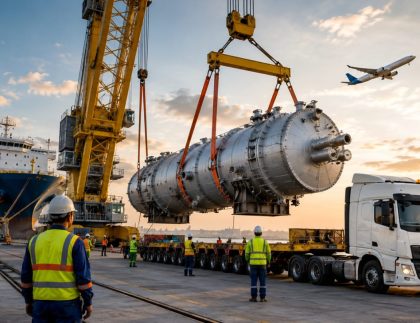
Project Cargo Management is the whole process of planning, coordinating, conveying and supervising huge, large, high-value or complex cargo for industrial and infrastructural projects. Unlike the standard freight services, Project Cargo Management offers tailor-made logistical solutions to satisfy the individual requirements of each shipment.Typical project cargoes include:
- Industrial machinery
- Building machinery
- Wind turbine components
- Power Transformers
- Oil & Gas Equipment
- Mining Machinery
- Steel Design
- Manufacturing production lines
- Large generators
- Building materials
Why does Project Cargo Management matter?
Big industrial projects have strict timelines and big monetary commitments. There are many participants. Businesses can suffer without strong logistics planning:- Project Overruns
- Higher transportation costs
- Damage to equipment
- Customs difficulties
- Regulatory penalties
- Did not meet installation timeline
- Supply chain disruptions
Key Steps in Project Cargo Management
Successful projects all have an organised logistical process.1. Project Evaluation
The initial step in the process is to understand the logistics requirements of the project. Here is the:- Mass cargo size
- Delivery times
- Conditions of destination
- Budgets
- Transportation Problems
2. Engineering & Route Planning
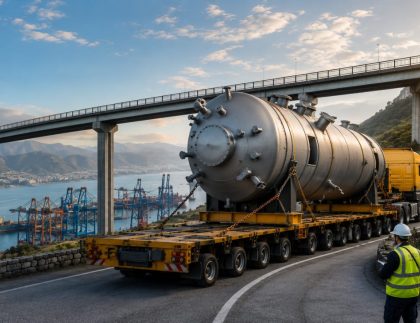
Logistics professionals evaluate routes prior to transport and determine:- Bridge weight restrictions
- Limitations on road width
- Tunnel clearances
- Harbour facilities
- The weather
- Government licensing regulations
3. Design transport solutions
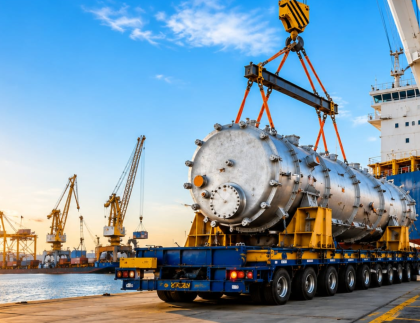
Every shipment is given a dedicated transportation strategy, which can include:- Ocean freight
- Breakbulk Shipping
- Heavy haulage trucking
- Rail transport
- Inland Barges
- Roll-on/Roll-off (RoRo) vessels
4. Discharge
International exports must have full compliance with all regulations. Project Cargo Management includes:- Import Document
- Export paperwork
- Duties declarations
- HS code classification
- Co-ordination of tax and duties
- Permitting
5. Heavy Lift Operations
Sometimes large equipment needs special hoisting apparatus. The typical equipment utilised are:- Crane Celluar
- Gantry Hydraulic
- Cranes on the wing
- Heavy Duty Forklift
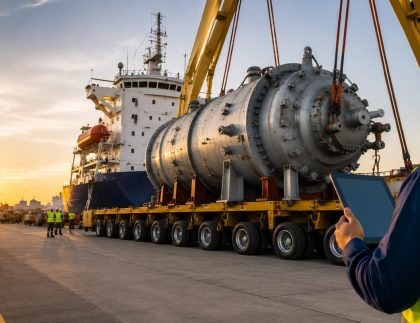
- SPMTs (Self Propelled Modular Transporter)
6. Delivery of finished product
The last stage is the transportation of cargo from the port to the project site on special trailers and, if necessary, escort automobiles. Every move is organised to make sure that delivery is on time.Industries Using Project Cargo Management
Project Cargo services are used in many industries across the globe.Structure
Excavators, mobile cranes, structural steel and concrete plants.Oil and gas
Transportation of drilling rigs, pressure vessels, pipelines, refinery equipment.Alternative Energy
Moving wind turbines, transformers, solar equipment and hydro electric elements.Mining
Supply of crushers, conveyors, processing plants and heavy gear.Manufacture
Moving manufacturing equipment and whole production lines.Infrastructure
Support for airports, trains, bridges, ports other public construction activities.Typical Project Cargo Management Problems
There are a variety of logistics problems with handling heavy goods.Route Restrictions
The road infrastructure may not be able to support high loads.Regulatory Compliance
Transport normally requires permissions and government authorisation.Hard Project Deadlines
Delayed supplies can push out construction timelines and lead to cost overruns.Different means of transport
Seamless communications for all these vehicles, ships, cranes, rail, barges.Security of Cargo
If you don’t look after it you’ll break your equipment and it will cost you money. Professional logistics planning takes care of these hazards.Good Project Cargo Management Saves Time
Professional planning enables businesses to:- Prevention of transit delays
- Reduce the time taken to clear customs
- Improve the accuracy of scheduling
- Working with several providers
- Delivery Route Optimisation
How it saves you $$$
Proper Project Cargo Management saves money on:- Minimising cargo damage
- No storage charges
- Saving on demurrage charges
- More efficient travelling
- Optimising Equipment Use
- Cutting administrative costs
How It Helps You Relax
Project teams can get bogged down in complex logistics managed internally. The duties of a professional logistics provider are:- Transportation Planning
- Customs clearance is working
- Documentation
- Planning for heavy lifting
- Track your delivery
- Risk Control
- Scheduling delivery
Technology Enhances Project Cargo Management
Modern logistics firms apply advanced technologies for improving their efficiency. For instance,- GPS parcel tracking
- Digital documentation
- Software for routing
- Cargo tracking systems
- Real-time project updates
- Customs clearance (electronic)
Selecting the Appropriate Project Cargo Management Partner
The success of the project hinges on selecting the right logistics partner. Seek a provider that provides:- Experienced in Project Cargo
- Heavy Lift Capability
- Background on Breakbulk Shipping
- Customs broking service
- Worldwide supply chain
- Specialised Transport Equipment
- Technical support
- Full end to end logistics management
- Effective communication
- Tight safety regulations
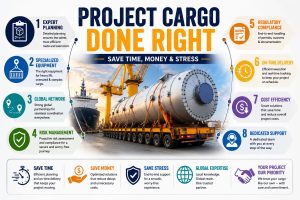
DDU Express: The Importance for Businesses
DDU Express provides complete Project Cargo Management solutions to various enterprises and industries.Services provided:
- Planning of Project Cargo
- Breakbulk Cargo Shipping
- Heavy Lift Logistics
- Customs clearance
- International commodities forwarders
- Survey routes
- Technical assistance
- Port operation
- Transportation – Inland
- End to end supply chain management