Introduction
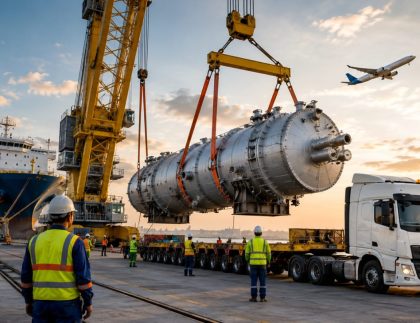
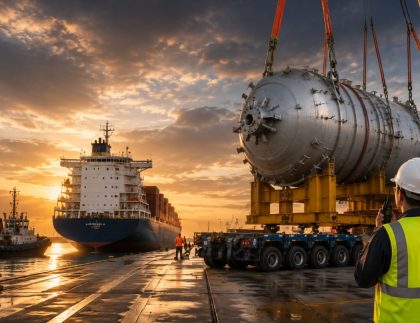
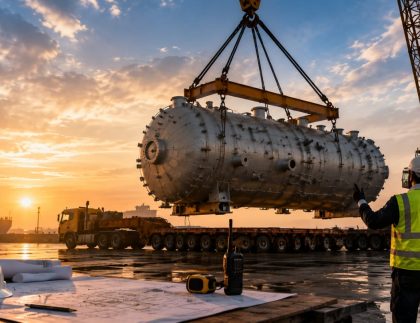
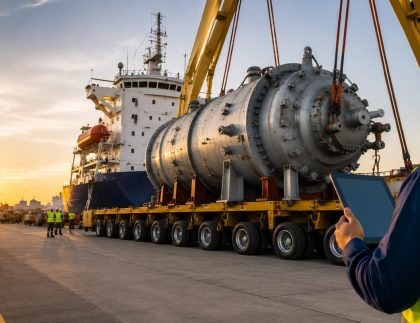
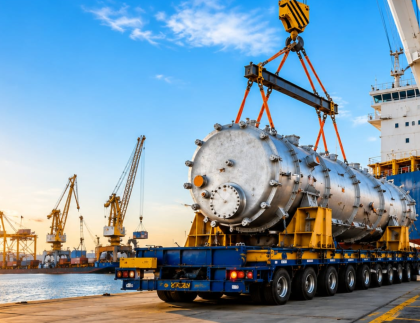
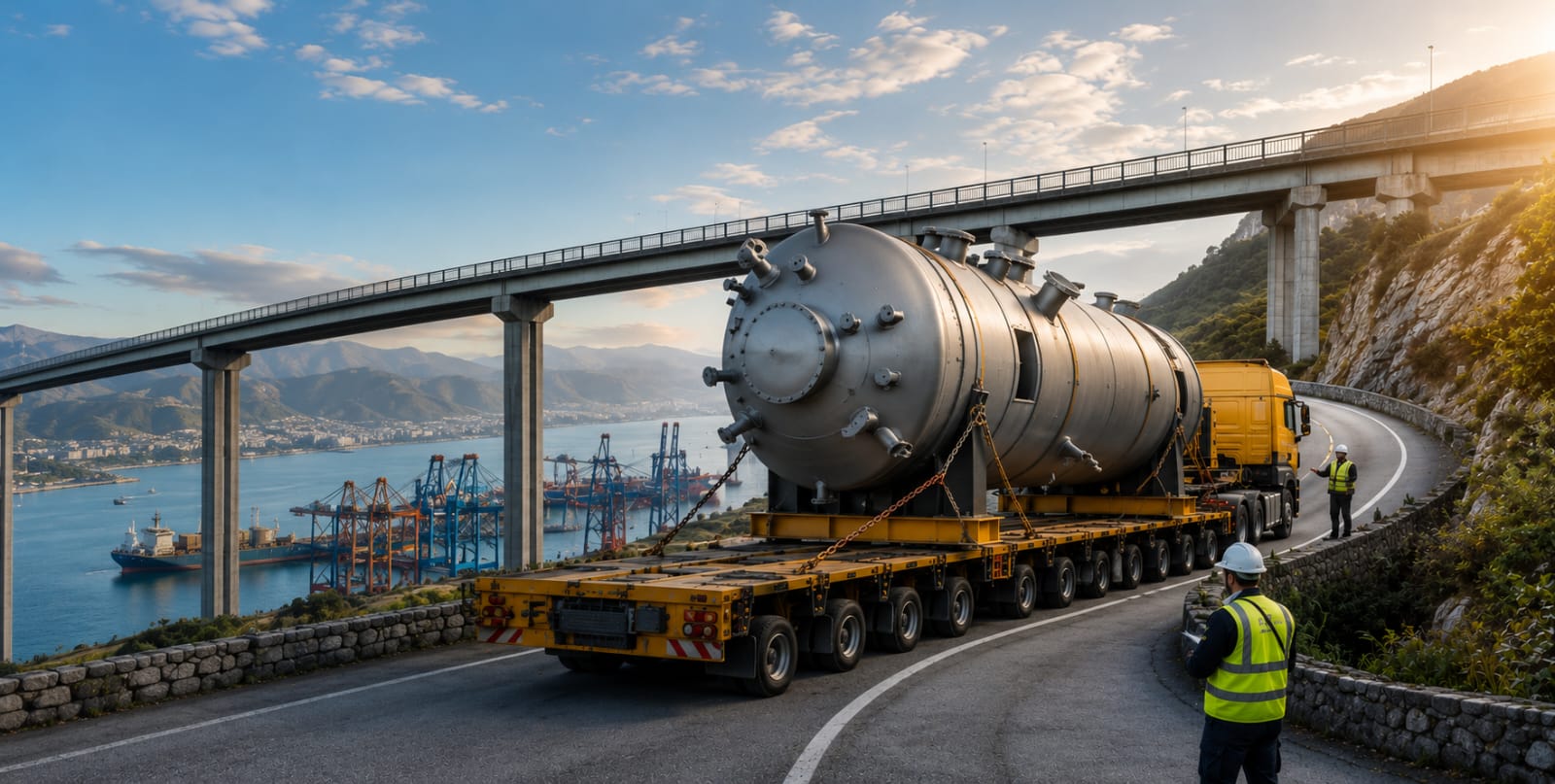
Project cargo is not a point of collection and a point of delivery. One of the main problems with very huge, heavy or irregularly shaped cargo can be the path it has to take for transportation. What works well for conventional trucks does not necessarily work for large machines. A bridge may be posted for weight limits. A specialised trailer may not make a sharp turn. Hindrances are overhead cables, tunnels, traffic lights and tight highways. A project cargo route survey is one of the most important steps in organising complex shipments. A route survey is a valuable tool for logistics experts to identify the physical and operational conditions of the intended transportation route before the cargo begins its journey. By recognising possible impediments early on, logistics teams can build solutions that make moving complex cargo safer, more efficient and predictable. In this article we take a look at how project cargo route surveys function, what they look at and why they are so vital for a successful transportation.
What Is a Project Cargo Route Survey?
Project cargo route survey is a detailed survey of the route intended for the shipment of large, bulky or specialised goods. The goal is to assess if the planned route can safely support the goods and equipment needed to move it. During a route survey, a logistics specialist might look at:- Road width
- Strength of bridge
- Tunnel clearance
- Obstacles in the air
- Tight turns
- Slopes of roads
- Traffic
- Entry to port
- Loading and offloading locations
- Infrastructure constraints
Why is Route Survey important for Project Cargo?
Generally, cargo moves through established transportation networks in regular trucks and containers. Project cargo shipping might be very, very diverse. A shipment may include cargo that is:- Too broad for ordinary roads
- Too tall for some bridges or tunnels
- Overweight for current infrastructure
- Want regular trailers
- It’s hard to drive about in cities.
- Minimise unforeseen delays
- Improving transportation safety
- Choose the right equipment
- Planned permits needed
- Find other routes
- Co-ordinate road modifications
- Improve scheduling of deliveries
What does a Route Survey look at?
A comprehensive cargo route survey takes into account several elements of the route of transit.1. Width and accessibility of roads
One of the first things to consider is the width of the roadways for the cargo and the vehicle delivering it. Oversize goods could need special trailers that are far broader than regular trucks. Possible survey measures:- Width of road
- Availability of lanes
- Highway verges
- Bottleneck parts
- Structures on the roadside
- Temporary blockages
2. Bridge Strength
Bridges may be a real headache when it comes to moving large items. The route survey may consider:- Maximum weight limits
- Structural strength
- Bridge measurements
- Vehicle axle loads
- Weight distribution/
3. Height and Clearance Under Overhead
Very tall cargo can run into impediments that normal vehicles seldom do. A route survey may reveal:- Bridges
- Tunnels
- Overhead lines
- Power cables
- Symptomatology
- Traffic Signals
- Railway crossings
4. Tight Corners and Cornering Radius
Large cargo requires specialised trucks that need substantially more space to turn. Sharp bends, roundabouts, junctions and narrow roadways can be tricky. A survey of project cargo routes may encompass:- Radius of turn
- Intersection geometry
- Rotary
- Curvature of road
- Available room for manoeuvres
5. Road Surface and Grades
The physical qualities of the route may also impact transportation. Heavy-haul vehicles might be challenged by steep inclines, drops, uneven surfaces and challenging terrain. The survey can evaluate:- Road grades
- Surface state
- surface
- Drainage system
- Seasonal availability
How Route Surveys Affect Transportation Equipment
Information gained from a project cargo route survey can have a direct bearing on the choice of transport equipment. Depending on goods and route, the shipping may require:- Heavy haulage trailers
- low bed trailer
- Trailer Modulars
- Trailers extendable
- Special lifting equipment
- vehicles with multiple axles
Route Surveys and Transportation Permits
For transportation of big or overweight cargo, there are special restrictions in many countries and regions. Special approvals may be required depending on the shipping. These permits may consist of:- Maximum vehicle length
- Maximum load
- Permitted travel corridors
- Travel time:
- Requirements for escorts
- Traffic management
- Local authority licenses
Tackling Infrastructure Issues
Not every transportation route is ready for a complicated cargo transit. On occasion, the logistics crew may encounter infrastructural issues that need further preparation. Some possible answers might be:- Temporary roadworks
- Traffic re-routing
- Temporary barriers removed
- Coordination with utilities
- Valuations of bridges
- Reinforcement of roads
- Temporary access requirements
Route Survey’s Role in Delivery Scheduling
Route surveys also have an effect on the total project schedule. Some complex shipments may not be able to travel at any time of the day. The following are subject to restrictions:- Traffic jam
- Local laws
- Road closures:
- Construction work
- Weather & Climate
- Night time transit needs
How Route Surveys Minimise Project Cargo Risks
The better risk management is a major benefit of project freight route surveys. Transportation problems can be identified before transportation begins so logistics teams can create remedies in advance. This can help lower the chances of:- Cargo damage.
- Auto accidents
- Damage to Infrastructure
- Unscheduled road closures
- Delays in transport
- Other expenses operating
When should a route survey be done?
Ideally, a project cargo route survey should be undertaken early in the project planning phase. The sooner the route is examined, the more time logistics teams have to:- Spot challenges
- Assess other routes
- Choose the right equipment
- Permits Set
- Coordinate with authorities
- Traffic Management Plan.
- Designing Backup Solutions
Why Route Surveys Are Crucial for Complex Global Projects
Large-scale industrial and infrastructure projects sometimes include the movement of specialised equipment from one place to another and across borders. A shipment can go through: Factory → Inland Transport → Port → International Ocean Freight → Destination Port → Inland Transport → Project Site There are difficulties at each stage. A complete project cargo route study allows logistics teams to identify what transportation will be needed at important locations along this journey. By examining the entire path, and not merely the beginning or last leg, firms may create a more holistic project cargo logistics strategy.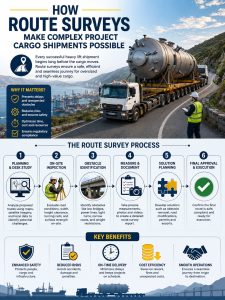
How DDU Express Manages Difficult Project Cargo Movements
The movement of complex cargo involves detailed coordination from the very early planning phases to final delivery. DDU Express can assist companies in coordinating logistics for specialised cargo transfers, aiding with the transportation needs of complex international shipments. A good project cargo logistics operation will examine the cargo characteristics, transportation route, handling requirements, paperwork, scheduling and delivery conditions. Working with an experienced logistics provider can help companies better meet the demands of moving large and specialised loads within international supply chains.Abstract
Knowing the route is the first step to a successful cargo transportation project. Transporting big, heavy and specialist freight can be a voyage fraught with many physical, regulatory and operational problems. A rigorous project cargo route study can uncover these difficulties before the shipment commences. “Every detail can play a role in the success of a complex cargo movement, from bridge capacity and road width to overhead clearance and turning radius. Early preparation for project cargo and taking time to examine the route helps companies increase safety, minimise uncertainty and develop a more reliable transportation plan. When complicated goods need to cross borders, the correct route – and the right planning – can make all the difference. Planning a complicated project cargo shipment? Experience the logistics challenges of carrying specialised cargo from origin to destination with a properly organised project cargo logistics solution with DDU Express.
Weiworld is an experienced logistics and shipping professional with more than 20 years of industry experience, with extensive knowledge of international shipping, freight forwarding, cargo movement, and logistics operations.
Over the course of his career, he has developed deep practical expertise in Middle East logistics and operations, including shipping processes, international cargo transportation, customs-related procedures, and supply chain coordination.
At DDU Express, Weiworld shares practical insights and industry knowledge to help businesses better understand international shipping, freight forwarding, DDP services, cargo transportation, and logistics solutions across the Middle East and global markets.
His extensive industry experience provides valuable perspective for businesses looking to simplify international shipping and make informed decisions when moving cargo between countries.